Inauguration

Cemeteries service building
On April 23, 2025, the new Cemeteries Service building, located in the heart of Merl Cemetery, was inaugurated. This modern facility upgrades the services provided for the city’s 14 cemeteries.
The project brings together several workshops – including carpentry, blacksmithing, and laundry – as well as a dedicated washing area. Specialised professional equipment has been installed, such as industrial vacuums, high-pressure cleaners, boot washers, workwear drying systems, overhead cranes, a forge, various workshop machines, forklift trucks, key management cabinets, and a paint booth.
Special building features:
- Energy Performance Certificate Class A, connected to the City of Luxembourg’s district heating network via a 250 kW heat exchanger. The system covers the new building’s heating needs and may, in future, supply the adjacent chapel.
- Two high-efficiency air handling units with heat recovery ensure optimal air quality in the administrative offices, canteen, and washrooms/locker rooms. Four-pipe fan coil units provide heating and cooling for greater comfort.
- A 30 kW rooftop chiller supplies cooling during the summer months.
- Domestic hot water is produced for the locker room and kitchen via a district-heated tank.
- To optimise water usage, waterless urinals have been installed, and rainwater from the roofs is collected for the irrigation system.
- A photovoltaic system on the administrative building roof delivers 27 kWp, generating around 27,000 kWh per year.
Other news
Uncategorized, ProjectsAugust 17, 2026
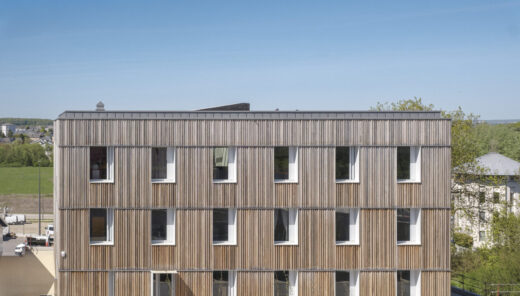
Luxembourg Architecture Award: And the winner is…
Read more
OtherJuly 15, 2026
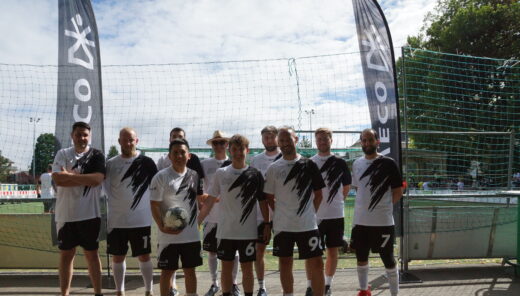
Football, great fun and a fantastic team spirit!
Read more
ProjectsJune 1, 2026
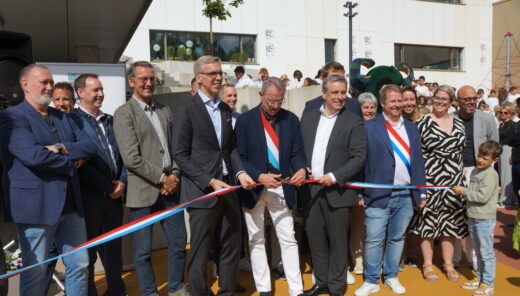
New Elmen School Complex
Read more
How can we help you?
A team of experts is ready to support you and explore how we can assist with your request. When you submit this form, someone from our team will contact you. This form is intended solely to request more information about our Sweco business solutions.